
A brake shoe that feels firm and predictable in the yard can lose a meaningful part of its stopping power two kilometres into a loaded descent. That change is heat fade, and on long downgrades in hot climates it is one of the most common reasons a fleet notices inconsistent pedal feel, smell, smoke or a lengthening stopping distance. The questions below are the ones purchasing teams, workshop managers and fleet engineers raise most often when they specify brake shoes for heavy-haul work in the Middle East, Africa and Central Asia.
What happens inside the drum when a brake shoe fades?
Braking is a conversion problem: the shoe and drum turn motion into heat, and that heat has to go somewhere. During a stop the lining surface can reach temperatures well above its normal working range, while the drum absorbs the rest. As long as the heat is carried away between stops, friction stays stable and the driver gets the same response at the pedal.
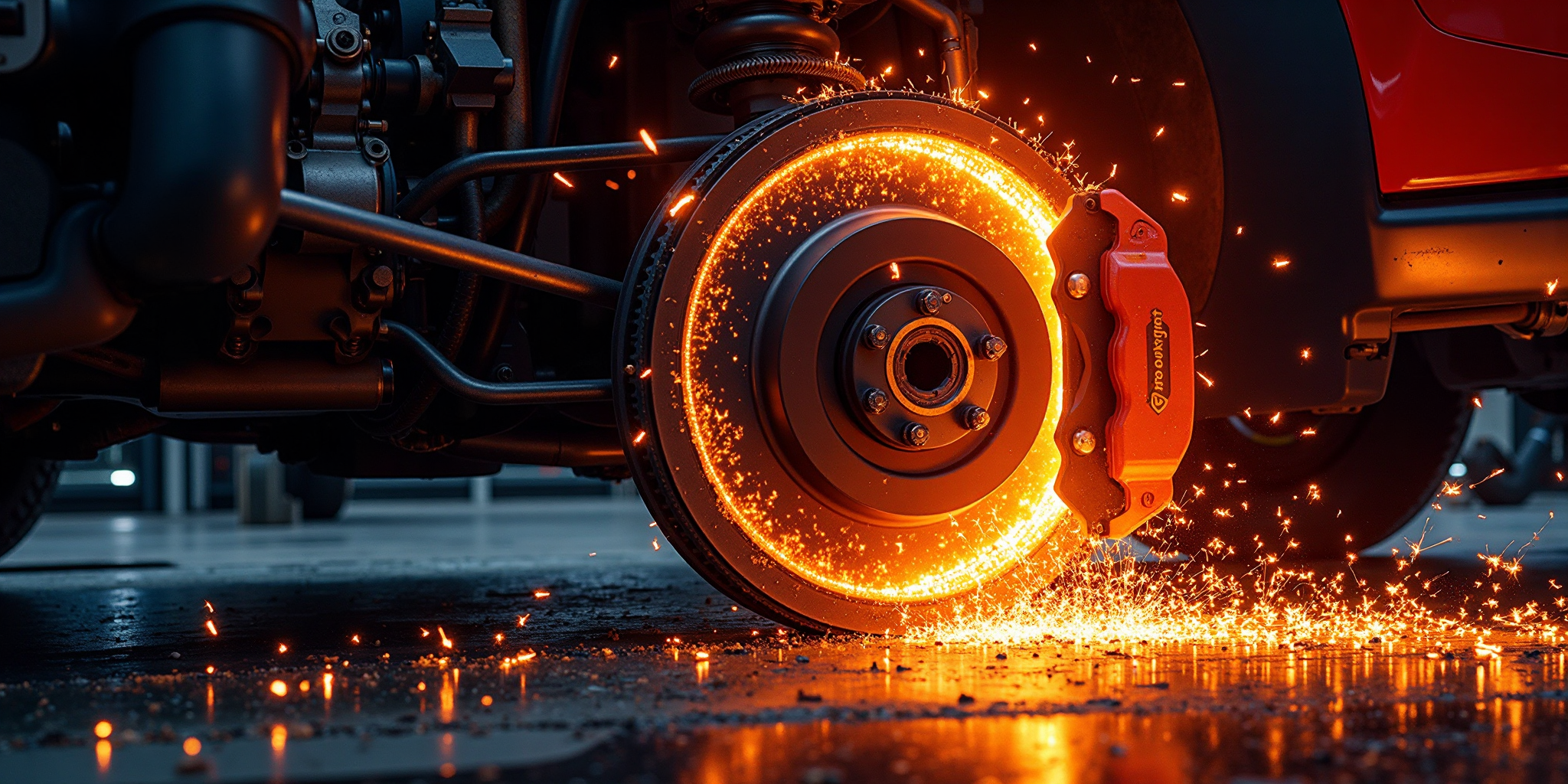
Fade begins when the lining cannot shed heat as fast as it receives it. The resin binder at the friction surface starts to break down and release gas, and a thin layer of hot, degraded material sits between shoe and drum. The coefficient of friction falls, so the driver presses harder for the same retardation, which adds more heat. In severe cases the lining can glaze, and the loss of friction persists even after the brake has cooled.
Two forms are worth distinguishing in the workshop. Thermal fade is reversible: friction recovers as the drum cools, and the shoe can stay in service. Glazing, cracking or lining damage are not reversible, and normally call for inspection and replacement rather than a change in driving technique.
Why are long descents harder on shoes than repeated city stops?
Urban braking is a series of short heat pulses with cooling time between them. A descent is the opposite. The vehicle is holding back a heavy combination for minutes at a time, and the brakes receive energy continuously instead of intermittently. At the same time, road speed is often low enough that airflow over the drum is limited, so heat builds in the drum, shoe and wheel-end hardware faster than it can be carried away.
Gross weight multiplies the problem. The energy a descent has to dissipate rises with the mass being controlled, so a loaded tipper or a fully freighted tractor-trailer generates far more brake heat than the same vehicle running empty on the same grade. That is why a shoe that performs acceptably on a light delivery route can fade quickly on a mining haul road or a mountain pass with a full load.
Which operating factors speed up fade?
Load and weight distribution
Higher gross combination weight means more kinetic energy for the brakes to convert on every metre of descent. Uneven loading makes it worse at the axle level: a trailer loaded toward the rear or a tipper with an unbalanced load can leave one axle doing more than its share of the retarding work, so those shoes run hotter than the rest of the set.
Gradient and descent length
A short, steep pitch gives the brakes a hard but brief duty. A moderate gradient held for several kilometres is often more demanding, because there is no recovery window. The combination of a long grade, high ambient temperature and low road speed is the classic fade scenario on routes through arid or mountainous regions.
Speed and braking technique
Riding the brake pedal down a grade keeps the lining in continuous contact and in continuous heat. Snub braking — a firm, short application that brings speed down, followed by a period off the brake — gives the drum a chance to shed heat between applications. Gear selection and the use of an engine brake or retarder decide how much of the retarding work the foundation brakes have to do at all.
How does material and compound selection change the outcome?
Friction material is a compromise between cold bite, high-temperature stability, drum wear and noise. A compound that is very aggressive when cold does not automatically hold its friction level when the drum is hot, and a lining tuned only for high temperature can feel weak on the first stops of a cold morning. For heavy-haul work the useful target is a flat friction curve: predictable response across the temperature range the route actually produces.
Semi-metallic, non-asbestos formulations are widely used for this duty because the metallic content helps conduct heat away from the friction interface and resist the softening that precedes fade. Our brake shoe supply is produced with Wuhan Belaisi Auto Parts in the Gedian development zone, under an IATF 16949 quality system, using high-temperature, heavy-load, asbestos-free semi-metallic compounds developed for the long descents and high ambient temperatures found in Middle East and African operations. Shoes are matched to common imported axle and drum sizes, and test reports can be supplied with the order.
| Duty profile | What to prioritise | Practical check |
|---|---|---|
| Long mountain descents, loaded | High-temperature friction stability, heat conduction | Ask for fade and recovery test data, not only cold friction |
| Hot climate, stop-start distribution | Consistent friction across temperature, drum wear | Review lining wear pattern across the fleet |
| Mining and construction haul roads | Mechanical strength, resistance to glazing under sustained drag | Inspect drums and shoes at shorter intervals |
What can operators do to reduce fade on the road?
Compound choice sets the ceiling, but day-to-day practice decides how often a fleet actually reaches it. The measures below are low-cost and do not require changes to the vehicle specification.
- Set a descent speed at the crest of the grade and hold it, rather than allowing speed to build and then braking hard.
- Use snub braking instead of continuous light pedal pressure, so the drum has cooling intervals.
- Select a lower gear and use the engine brake or retarder to take a share of the retarding work.
- Keep loads within the permitted gross weight and distribute them so no axle is overloaded.
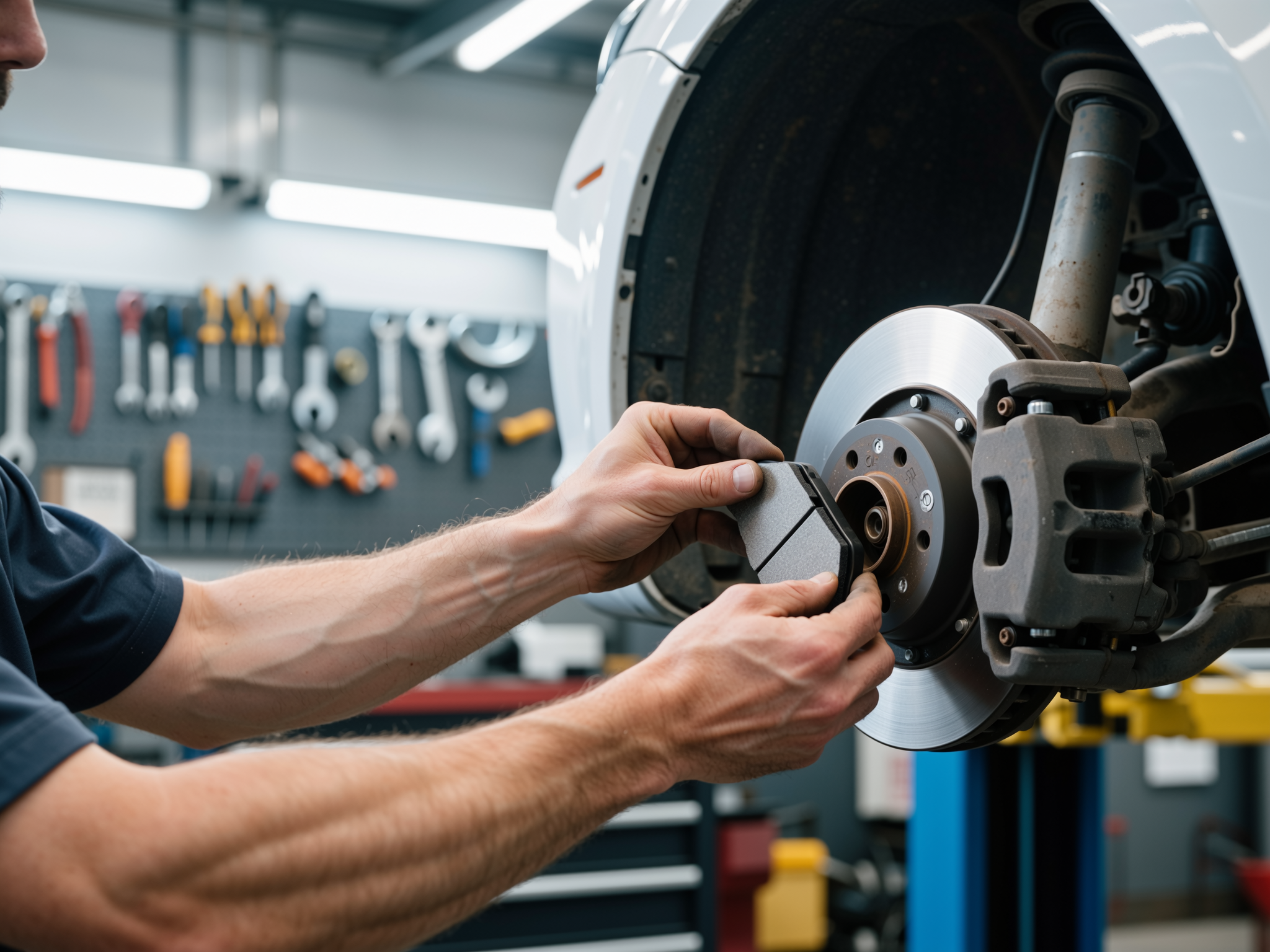
- Check brake adjustment, drum condition and lining thickness on a schedule, not only when a driver reports a problem.
- Bed in new shoes before putting the vehicle on a demanding route.
- Record which routes and loads are associated with fade reports, so specification can follow the real duty cycle.
How should a buyer specify brake shoes for hot, heavy-haul routes?
Start with the axle and drum dimensions rather than a brand reference alone, and confirm that the shoe is matched to the vehicle combinations actually in service. Ask the supplier to state the friction compound family, the temperature range it is intended for, and whether fade and recovery data are available. For a new route or a new fleet, a small trial order is a sensible way to compare wear and driver feedback before committing to a full container.
Because MAXGLOBE INTERNATIONAL TRADE (WUHAN) sources brake shoes through a long-term local partnership and ships from the Wuhan and Huangshi auto-parts belt, orders can be supplied with test reports, neutral packaging or OEM branding. Brake shoes can also be consolidated with tires, shock absorbers and filters in a mixed container, and customs declaration can be made under the factory name or a customer-nominated agent. For buyers managing several categories at once, that reduces the number of shipments without changing the technical specification of any single item.