The call that started the program
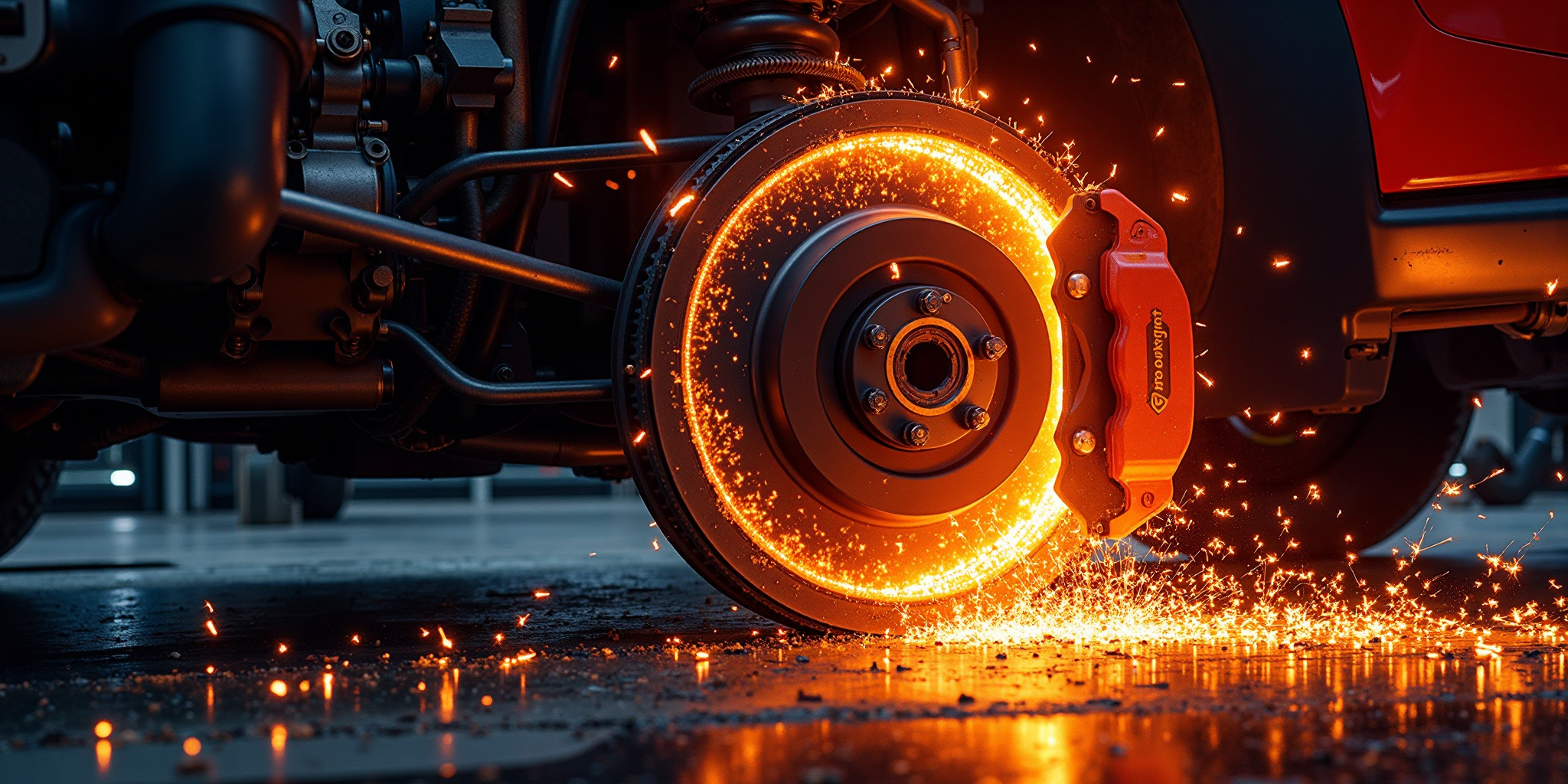
The enquiry did not begin with a product request. A fleet operator running heavy trucks and trailers out of a Gulf port city sent us a claims file instead: a run of brake shoe failures concentrated in the summer months, all of them on the same two long descents inland. The shoes had been bought on price from a supplier the fleet had used for years. On paper the specification looked acceptable. On the road it was not.
That distinction matters more than it sounds. Brake complaints arriving from the Middle East and North Africa rarely describe a manufacturing defect. They describe a mismatch between the lining compound and the duty cycle the vehicle actually sees: ambient temperatures well above forty degrees, sustained gradients, and gross weights that sit at the top of the axle rating for hours at a time.
Reading the failure instead of replacing the part
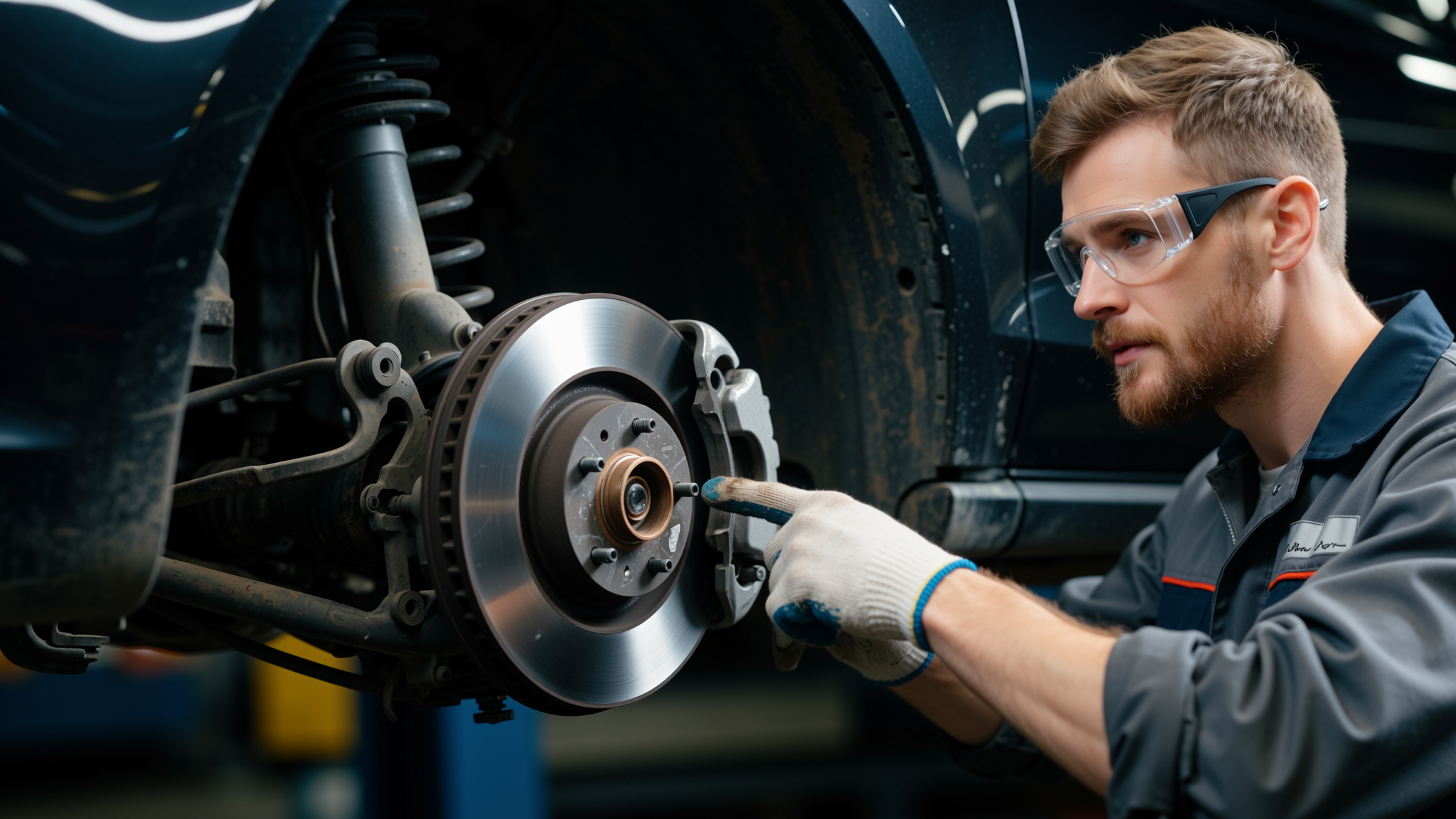
Before quoting anything, we asked for three things: the axle and wheel-end identification, photographs of the failed shoes showing wear pattern rather than just the fracture, and a description of the routes. The photographs told most of the story. The lining showed heat discolouration across the full friction face and edge cracking consistent with repeated over-temperature cycles, not the localised damage you would expect from a mechanical fault or an installation error.
In other words, the lining was reaching its working temperature limit and staying there. Once that happens, the coefficient of friction drops, pedal travel grows, and the driver compensates by braking earlier and harder on the next descent. The cycle feeds itself. The claims follow.
We also checked the fit. The fleet's tractor units and trailers were a mix of imported axles in common sizes, and any replacement had to match the original dimensions rather than be adapted to them. A shoe that is dimensionally close but not correct changes the contact pattern, and an uneven contact pattern produces exactly the hot spots we were looking at.
Rebuilding the specification
The program we proposed was built around two decisions rather than a catalogue number.
1. A non-asbestos semi-metallic compound selected for sustained heat
Through our long-standing cooperation with Wuhan Belaisi Auto Parts in the Gedian Development Zone, we specified a non-asbestos semi-metallic formulation developed for high-temperature, heavy-load work. Semi-metallic linings trade a little cold bite for thermal stability, which is the right trade on a long descent with a loaded trailer. The compound is produced under an IATF 16949 quality system, and the factory can issue test reports for the batch so the fleet's maintenance team has documentation on file rather than a verbal assurance.
2. OE axle dimensions, confirmed before production
We matched the shoes and the brake assemblies to the mainstream imported axle sizes the fleet was running, and confirmed the dimensions in writing against the vehicle list before any tooling was touched. This is the least glamorous part of a brake program and the part that most often gets skipped. It is also where a large share of premature wear originates.
Because we sit inside the Wuhan and Huangshi auto parts industrial belt and buy directly from the factories rather than through layers of traders, the specification conversation happens with the people who control the compound and the dimensions. That shortens the loop between a field observation and a change on the line.
Validating with a trial order, not a forecast
Neither side wanted to commit a full container to an untested change. We proposed a small trial order: enough shoes and assemblies to equip a defined group of vehicles on the worst route, with neutral packaging so the fleet could evaluate the product on its own merits and keep its supplier relationships undisturbed.
The trial ran through the hot season. The maintenance team tracked what actually matters to a fleet: lining wear at scheduled inspections, drum condition, and whether the drivers reported any change in pedal feel on the descent. The heat discolouration pattern that had defined the earlier failures did not repeat on the trial vehicles, and wear across the set stayed even.

From trial to repeat purchasing
The fleet did not place one large order after the trial. It moved the specification into its regular replenishment cycle, which is the outcome we actually aim for. Repeat purchasing on a brake program means the maintenance planners have stopped treating the part as a risk item and started treating it as a scheduled consumable with a known wear rate.
Two operational details made that transition easier. First, neutral packaging allowed the fleet to keep its own labelling and stock-keeping across depots. Second, because we consolidate multiple product categories into a single container, the brake replenishment could travel with the fleet's tire, filter and shock absorber requirements instead of generating a separate shipment. For an operator sourcing across several categories, that removes a freight decision from every order.
Where a customer needs it, we can also declare under the factory's name or under a customer-designated agent, which keeps the documentation consistent with how the buyer's import entity is set up.
What the case demonstrates
Nothing in this program depended on a proprietary compound or an exotic claim. It depended on matching a lining to a real duty cycle, confirming dimensions against real axles, and proving the result on a small number of vehicles before scaling. The same sequence applies to brake programs in Africa and Central Asia, where long gradients and high ambient temperatures produce similar failure patterns.
If you are working through a brake wear or heat fade issue on a heavy truck or trailer fleet, send us the axle identification, the route profile and photographs of the failed parts. We will tell you whether the specification is the problem before we quote. MAXGLOBE INTERNATIONAL TRADE (WUHAN) CO., LTD is based at 8MC, 69 Checheng South Road, Wuhan Economic and Technological Development Zone, and can be reached through www.maxglobeintl.com.