
How We Plan a Mixed Container: Tires, Brakes and Filters in One Box
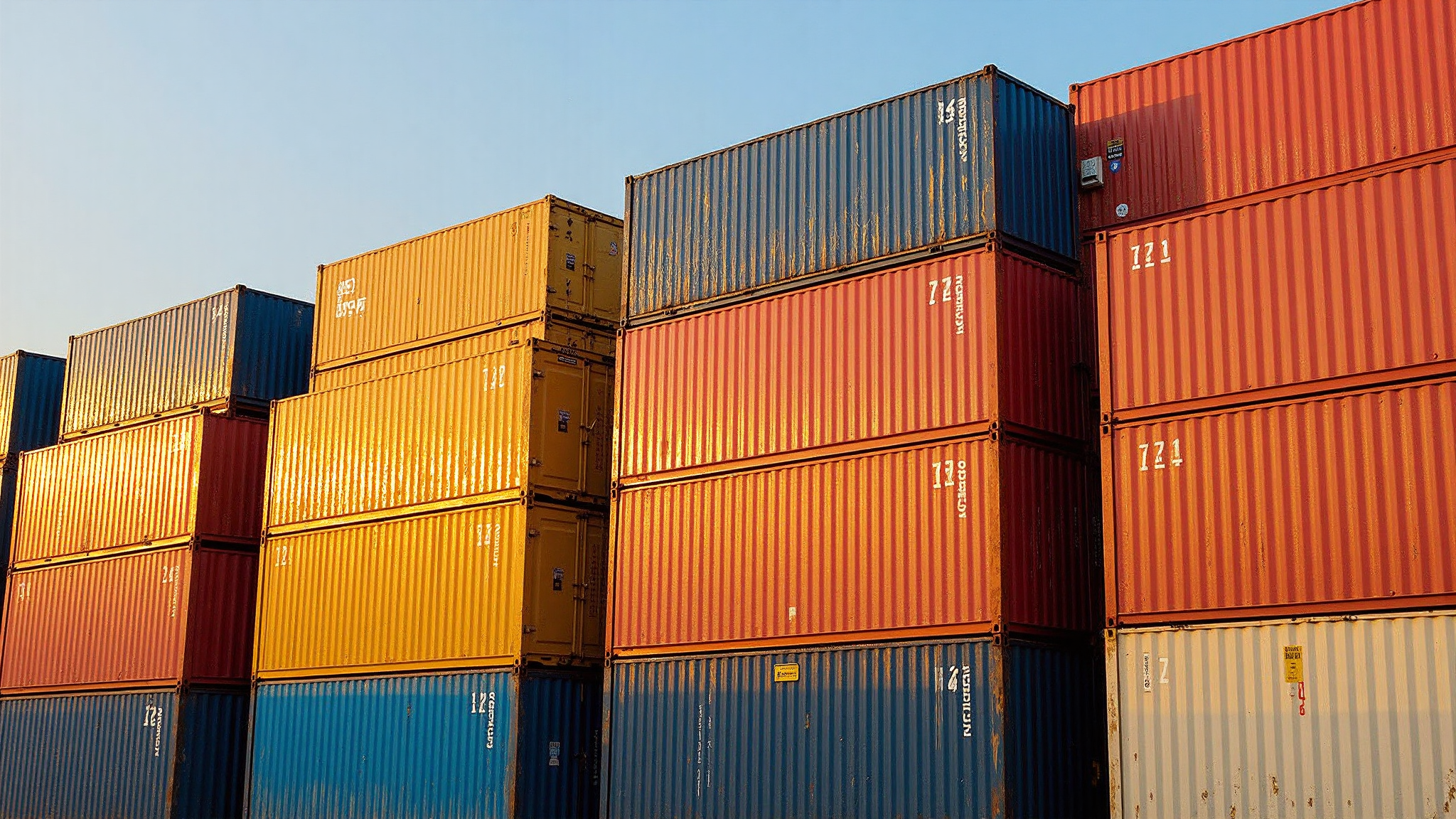
A mixed container saves freight only when the order mix, weight and volume, loading sequence and documents are planned together. This is the step-by-step process we use to combine tires, brake parts and filters in a single export box without rework at destination.
Mixed container loading looks straightforward on paper: put brake parts, tires and filter cartons into one box and ship it. In practice it is a scheduling and documentation task, and the sequence matters more than anything else. A poorly planned load wastes volume, forces re-stacking at the destination warehouse, or raises a customs question that holds the container on the quay. Below is the process we follow at MAXGLOBE INTERNATIONAL TRADE (WUHAN) CO., LTD when a distributor in the Middle East, Africa or Central Asia orders across categories.
Step 1: Fix the Order Mix Before Booking Space
The three product groups do not come from the same place. Brake shoes and brake assemblies come from our long-term partner Wuhan Belaisi Auto Parts in the Gedian Development Zone. Tires come directly from the Hubei Aolaisi plant in Huangshi. Oil, fuel and air filters, together with shock absorbers, come from our chassis line. Each has its own production slot, packing format and paperwork trail.
That is why the mix is settled first: which brake references for heavy trucks and trailers, which tire sizes across TBR, OTR and pickup/off-road ranges, and how many filter and shock absorber cartons. Only after the mix is fixed can we judge whether one mixed load is genuinely cheaper than two separate bookings. Splitting categories rarely saves money once a second freight booking, a second document set and a second destination handling charge are added together.
Step 2: Calculate Weight and Volume Separately
Tires and brake assemblies are heavy and dense. Filters and shock absorbers are bulky but light. Averaging the two is the most common planning error, because the container is limited by axle weight and by cubic capacity at the same time. We build two tables, one in kilograms and one in cubic metres, and compare both against the box before anyone confirms a loading date.
| Category | What drives the weight figure | What drives the volume figure |
|---|---|---|
| TBR, OTR and pickup tires | Rubber mass and bead construction; OTR sizes dominate | Uncompressed diameter; stacking pattern decides real use |
| Brake shoes and assemblies | Cast and steel content, drum diameter | Carton footprint and pallet height |
| Oil, fuel and air filters | Low per unit; housing steel on larger filters | High — cartons are light and take space |
| Shock absorbers | Moderate; oil-filled units add mass | Long cartons, awkward to fill gaps |
If the weight table reaches the limit first, the remaining space cannot be filled with light cartons for free — the box is already at its legal payload. If volume runs out first, dense brake parts may still leave room on the floor that only flat-packed items can use.
Step 3: Set the Loading Sequence From the Rear Doors In
Loading is planned in reverse: the last cargo out at destination goes in first, at the front of the container. Heavy, dense items such as brake assemblies and OTR tires go low and forward, directly over the container floor and close to the axles. Mid-weight cartons follow. Light filter and shock absorber cartons sit on top and toward the rear, where they can be reached without moving the whole load.
Tires are the exception that needs a decision, not a habit. Standing them upright saves floor space but demands proper chocks and restraint; laying them flat stabilises the stack but consumes height. The choice depends on what else is in the box and on the unloading equipment at destination. We settle it on the loading plan, not at the door of the container.
Step 4: Restrain the Load, Not Only the Cartons
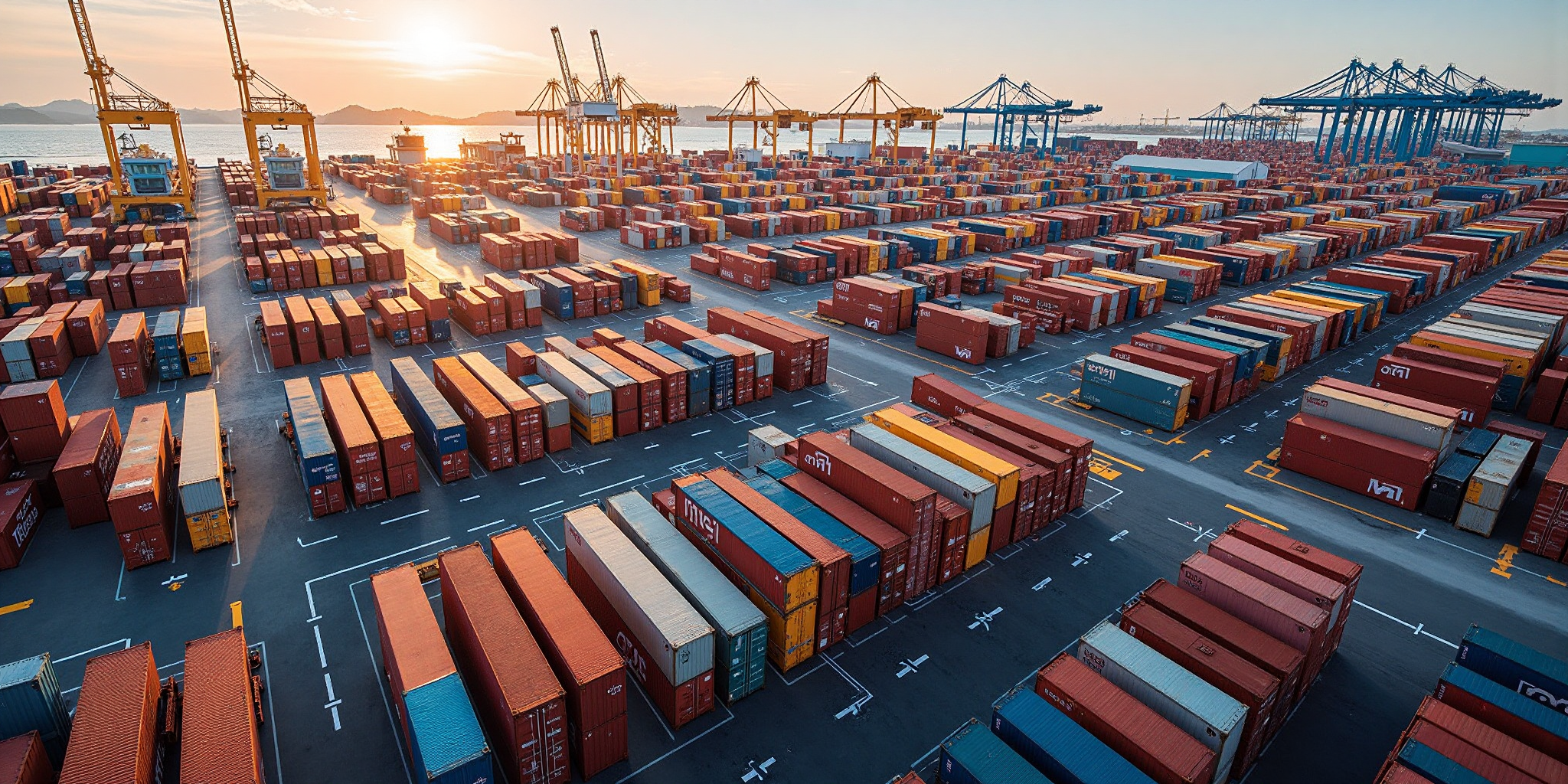
Cartons that are individually strapped can still move as a block. The load as a whole has to be restrained against forward, lateral and rearward movement. We close gaps with dunnage rather than leaving air, keep the weight off the doors, and avoid stacking heavy brake cartons above light filter cartons where the lower layer can crush. Every loaded container is photographed at several stages so the arrangement can be reconstructed if a claim is raised later.
Neutral packaging and OEM branding are handled at this stage as well. Labels, shipping marks and any customer-specific carton printing are checked against the packing list before the doors close, because fixing them afterwards means unloading the box.
Step 5: Close the Documentation Loop Before the Doors Shut
The packing list is built per pallet, not per category, so the receiver can count what is actually in front of them. Tires are accompanied by the certification relevant to the destination: GCC, SASO, SONCAP or DOT according to the market. Brake products come with the IATF16949 system background of our partner and, where required, test reports. Filters and shock absorbers are listed with their carton counts and reference numbers.
Declaration is arranged to match the buyer's requirement. We can declare under the factory name or under a customer-designated agent name, provided the commercial documents and the packing list agree. A mismatch between the invoice, the packing list and the marks on the cartons is the most frequent reason a mixed container is stopped, and it is entirely avoidable at this stage.
Step 6: Plan the Unload and the Count
A mixed container is only efficient if it can be unpacked quickly. The loading diagram travels with the documents, and the seal number is recorded and photographed at departure. At destination, the receiver counts against the packing list by pallet before breaking the stack, and photographs any damage before the cartons are moved. This is also where a mixed load pays for itself: three categories arrive on one truck, at one warehouse, on one date, instead of three separate deliveries spread across weeks.
Where a Mixed Container Is the Wrong Choice
Consolidation is not universal. A single-category order large enough to fill a container on its own is cheaper and simpler shipped alone. Destinations that require separate inspection for tires and for brake components may also make a combined declaration impractical. And when a buyer needs a small trial order, a shared load can be the sensible entry point rather than a full box — that is a commercial decision, not a loading one.
If you are consolidating across categories, send the order mix, the destination port and the required certifications. We will confirm whether the load is feasible, which documents apply and how the cartons will be arranged. More at www.maxglobeintl.com.